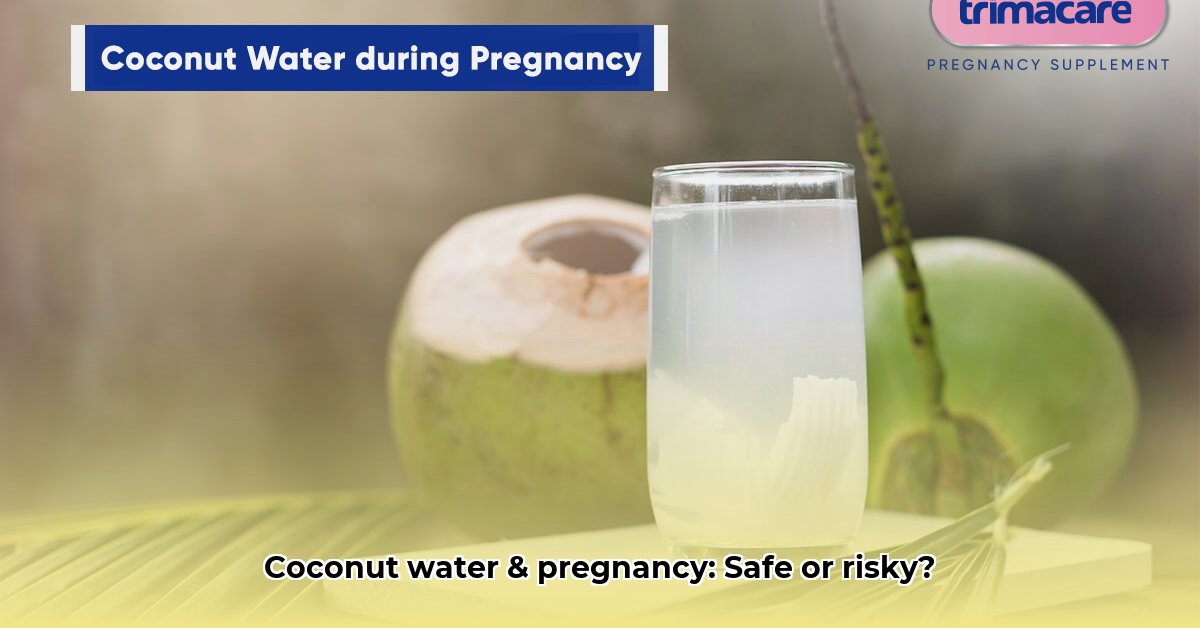
Pregnancy brings many changes, and you're likely exploring ways to stay healthy and comfortable. Coconut water has gained popularity among expectant mothers, but is it truly beneficial? This guide explores the potential advantages and disadvantages of coconut water during pregnancy, helping you make informed choices.
Staying Hydrated: A Tropical Twist on Thirst Quenching
Dehydration is a common concern during pregnancy. Morning sickness, hormonal changes, and the increased demands of your growing baby can lead to fluid loss. Coconut water, naturally rich in electrolytes like potassium (an essential mineral for muscle function and nerve impulses), magnesium, sodium, and calcium, offers a refreshing way to replenish fluids and these vital minerals. It's a natural way to stay energized and balanced.
However, remember that excessive consumption of any beverage can be detrimental. We'll discuss potential risks later.
Nutritional Boost: Beyond Hydration
Beyond hydration, coconut water provides small amounts of vitamins, such as vitamin C, and minerals that support various bodily processes. But it’s crucial to understand that coconut water is not a replacement for a balanced, healthy diet rich in whole foods and prenatal vitamins. Think of it as a supplemental hydration option, not a primary source of nutrients. Did you know that a balanced diet remains far more effective than solely relying on coconut water for nutritional needs?
Easing Pregnancy Discomforts: Anecdotal Evidence
Some pregnant women report that coconut water alleviates morning sickness, constipation, or even helps manage high blood pressure. However, scientific evidence supporting these claims is currently limited. These observations are largely anecdotal. More research is needed to confirm these potential benefits. Always consult your doctor before using coconut water to treat any pregnancy symptoms.
Potential Downsides: Moderation is Key
While coconut water offers potential benefits, its high potassium content warrants caution. Excessive potassium intake can lead to hyperkalemia (high blood potassium levels), which can disrupt heart rhythm and poses risks to individuals with kidney issues or heart conditions. Pregnant women taking ACE inhibitors (often prescribed for high blood pressure) should be particularly cautious and consult their doctor before incorporating coconut water into their diet. Is there a safe amount of coconut water during pregnancy? This depends on your individual health factors.
Smart Choices: Opt for Fresh, Unsweetened Coconut Water
When choosing coconut water, opt for fresh, young coconut water whenever possible. Processed varieties often contain added sugars and preservatives that are not ideal during pregnancy. The nutritional content can vary significantly, so always check product labels carefully.
Coconut Water vs. Other Drinks: An Electrolyte Comparison
The following table provides an approximate comparison of electrolyte content in various beverages. Note that values vary depending on the brand and processing methods. Always refer to product labels for accurate information.
| Fluid | Approximate Potassium (mg) | Approximate Sodium (mg) | Other Electrolytes |
|---|---|---|---|
| Coconut Water | 450-600 | 10-15 | Magnesium, Calcium |
| Sports Drinks | Varies widely | Varies widely | Varies widely |
| Water | Trace amounts | Trace amounts | None |
Your Healthcare Provider: Your Best Resource
Remember, your doctor or a registered dietitian is the best source of personalized advice concerning your diet during pregnancy. They can evaluate your individual health needs and provide guidance on the suitability and appropriate consumption of coconut water. They can help you create a safe and effective nutrition plan.
How Much Coconut Water is Safe During Pregnancy?
Key Takeaways:
- Moderate coconut water consumption might offer hydration and some electrolyte benefits.
- The potassium content requires caution; excessive intake risks hyperkalemia.
- Coconut water shouldn't replace a balanced diet and prenatal vitamins.
- Always consult your healthcare provider before adding coconut water to your diet, particularly if you have pre-existing health conditions.
- Scientific evidence supporting many claimed benefits is currently limited.
Actionable Steps for Safe Coconut Water Consumption During Pregnancy:
- Consult your healthcare provider: Discuss incorporating coconut water into your diet before consumption.
- Start slowly: Begin with small amounts (e.g., 4-8 ounces) and monitor your body's response.
- Choose unsweetened varieties: Avoid added sugars.
- Monitor your intake: Track daily coconut water consumption.
- Pay attention to your body: Report any unusual symptoms to your doctor.
- Prioritize a balanced diet: Coconut water is supplemental, not a primary nutrient source.
- Stay informed: Discuss any questions with your healthcare provider.